

Project at a glance
- Problem
- The team explored how to capture and interpret surfing movements in a demanding outdoor environment.
- My role
- Project Manager. I supported research and planning, coordinated the process through the Nazaré test and conducted the first equipment test in Rio de Janeiro.
- Team
- Victor Kato, Caio Santos, Rebecca Bortolami and Lucas Cruz.
- Period
- Case documented in March 2023; project duration is not specified.
- Outcome
- Exploration of inertial sensors and computer vision, including documented monitoring of Pedro Scooby in Nazaré.
Surf performance analysis.
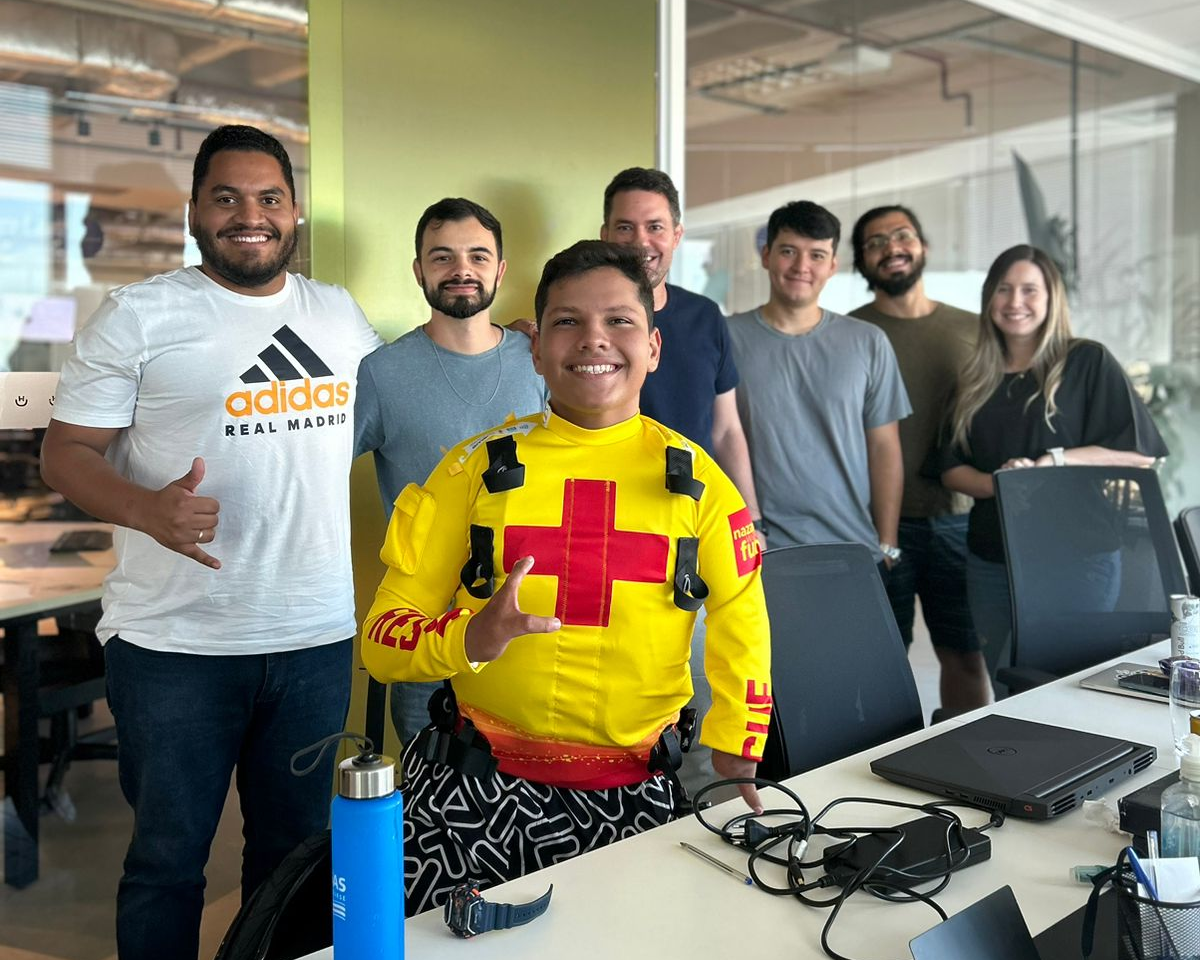
My role: Project Manager. I supported the team’s research and planning across the project, coordinated the process through the Nazaré test, and conducted the first equipment test in Rio de Janeiro before it was taken to a professional surfer.
Motion explored technologies for measuring and analysing surfing performance. The team investigated inertial sensors and pose-estimation methods to capture information such as acceleration, rotation and joint angles.
The aim was to explore how movement data could support the reconstruction and review of a surfing session. Potential applications included:
-
Compare performance between heats
-
Track an athlete’s progress over time
-
Compare performance between athletes
-
Compare performance with sea conditions
-
Compare performance across boards and fins
These were potential uses for the data, to be explored and validated through further research.
Challenges
Working at sea introduced constraints around water and salt exposure, changing weather and wave conditions, and recording from different locations.
Another challenge was the availability of labelled surfing footage. Building useful datasets required capturing sessions and annotating relevant movements and events before developing or evaluating analysis models.
Project exploration
The team explored two complementary approaches to movement analysis:
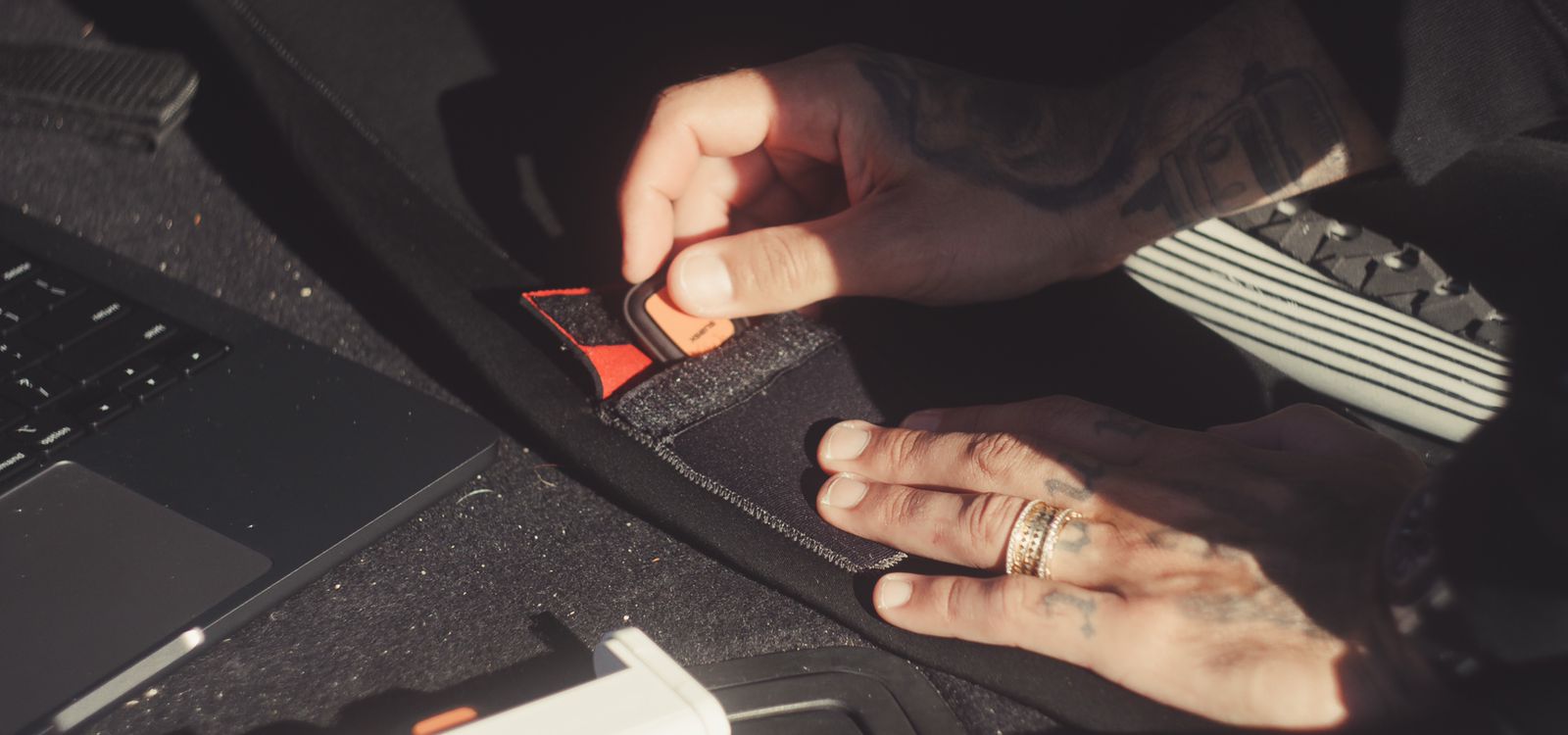
Inertial measurement units (IMUs) use accelerometers, gyroscopes and, in some configurations, magnetometers to capture motion data. The project explored wearable sensors as a way to record movements without relying on a clear camera view.
-
Computer Vision
The computer-vision approach used object detection to locate the athlete and pose estimation to identify body joints in video.
The two approaches had different trade-offs. Sensors required equipment on the athlete, while video analysis could potentially use existing footage. The project explored how they could complement each other.
Milestones
-
Pedro Scooby
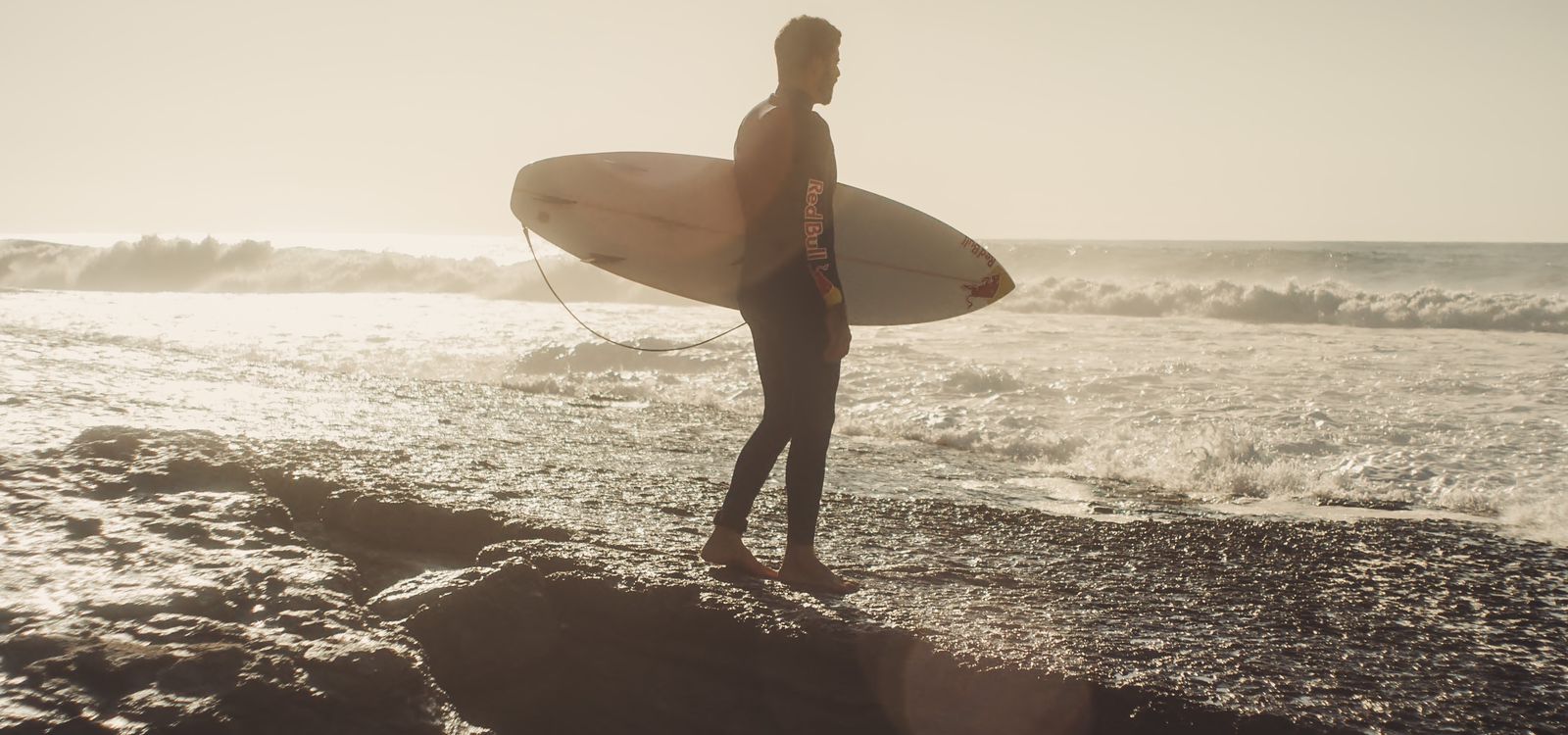
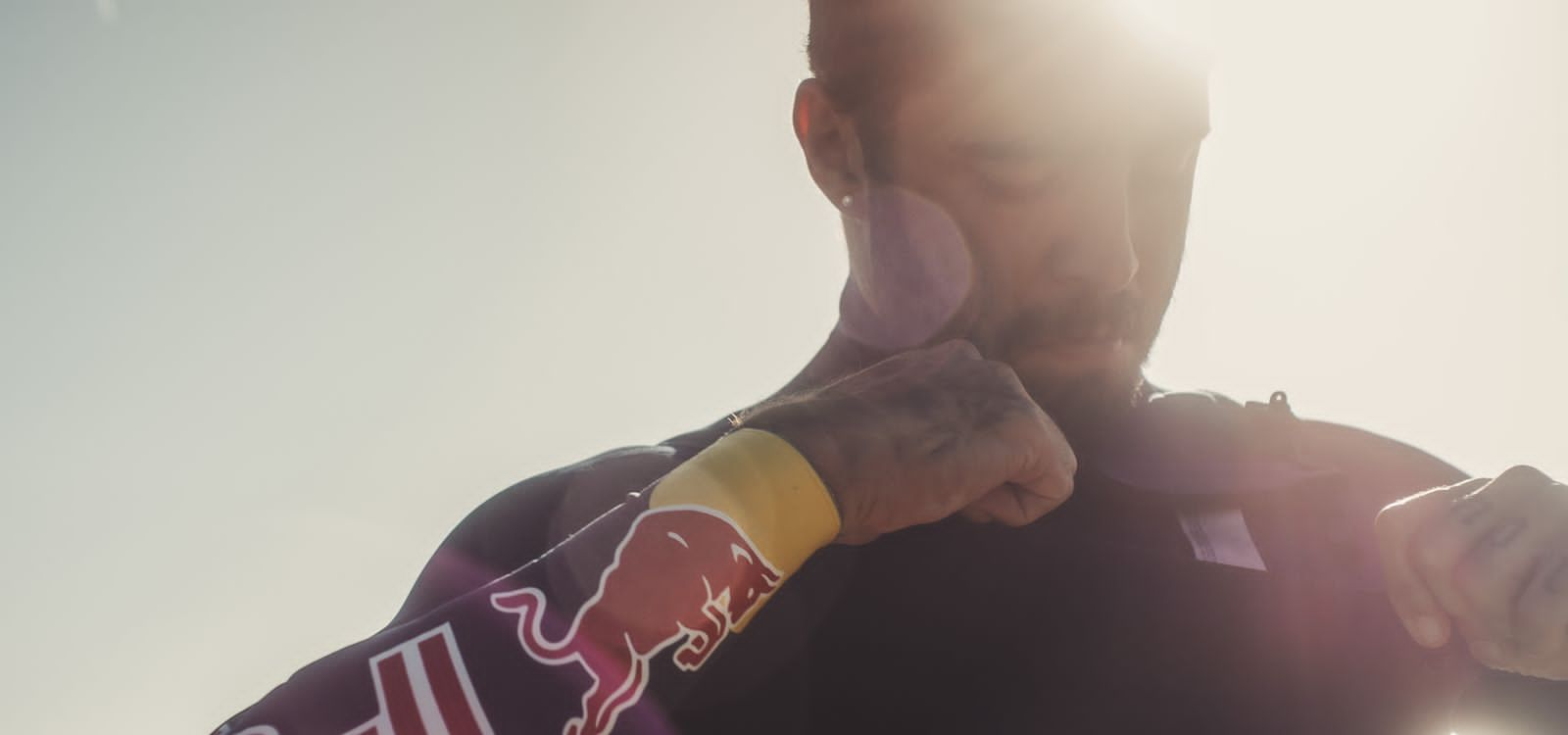
A documented milestone was monitoring Pedro Scooby during his return to big-wave surfing in Nazaré after an injury. The team used footage from drones, underwater cameras and land-based cameras as part of the exploration.
-
Davizinho Radical
The project also considered supporting adaptive surfer Davizinho Radical in his ambition to surf big waves in Nazaré. This was a direction for further work; the case does not report a measured performance improvement.
References: