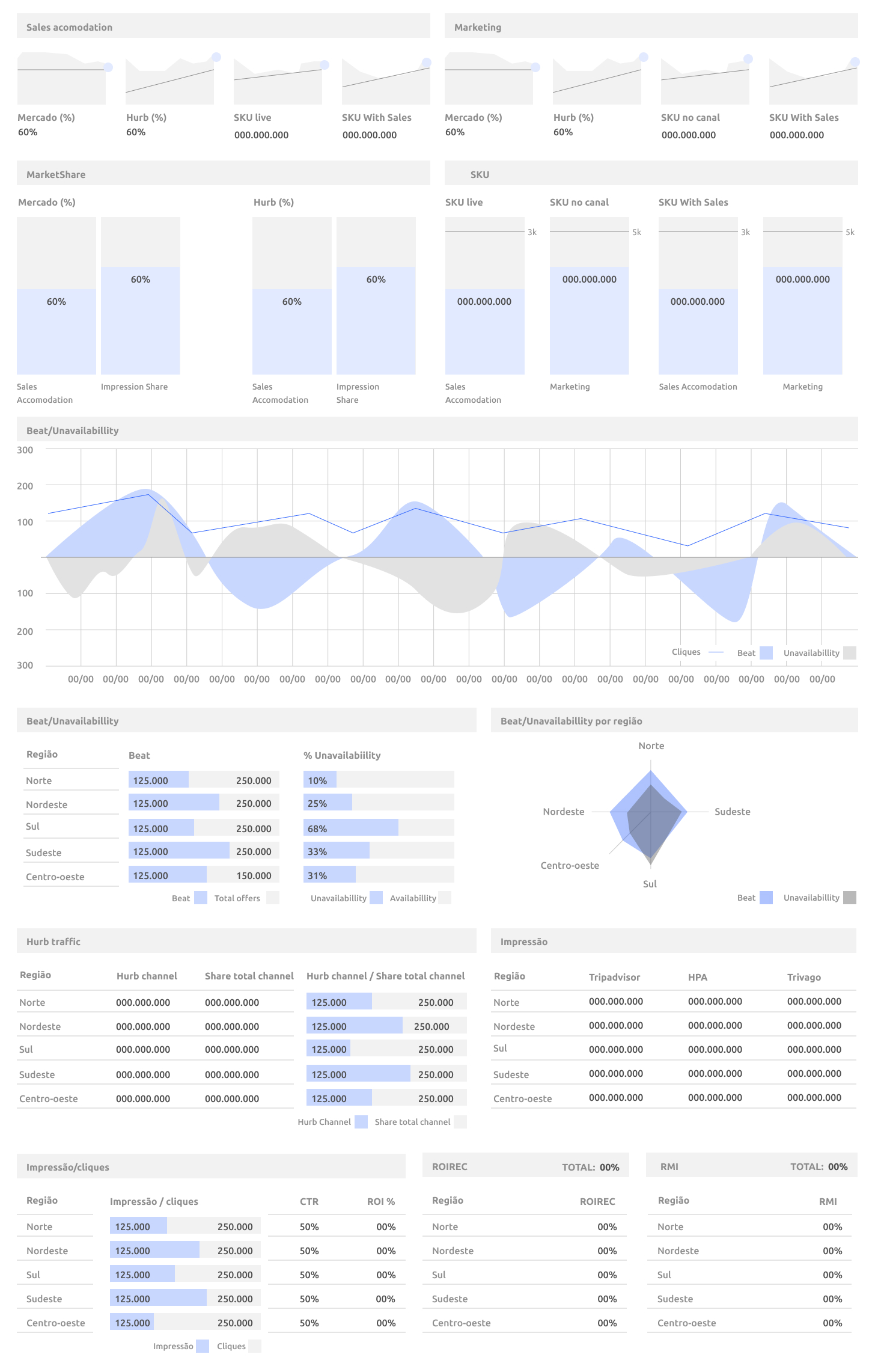


Project at a glance
- Problem
- Commercial and Distribution teams needed a shared view of hotel pricing, availability and demand.
- My role
- Product Design, stakeholder discovery, data hierarchy and dashboard design.
- Team
- Victor Kato, working with Commercial, Marketing and Growth stakeholders and the development team.
- Period
- 2021; the documented design phase took three days.
- Outcome
- A final dashboard design refined through stakeholder and development-team feedback.
Project Summary:
The dashboard was designed for the Commercial and Distribution teams at an online travel agency. It brought together information they needed to coordinate hotel negotiations and distribution priorities.
Project Immersion:
We began with the leaders and specialists from both teams. Commercial negotiated hotel rates and room availability. Distribution, including Marketing and Growth, promoted those offers through channels such as hotel metasearch.
Their decisions were connected: Distribution needed to know where competitive prices and inventory were available, while Commercial needed visibility into customer demand. The dashboard aimed to make those relationships easier to see.
Designing the Dashboard:
I identified the data each team needed, considered how the values behaved and established a hierarchy for the dashboard. I also reviewed data-visualization guidance to choose suitable chart types and organize the information. Three references informed this work:
The article "Dashboards: Making Charts and Graphs Easier to Understand
written by Page Laubheimer for the Nielsen Norman Group website.
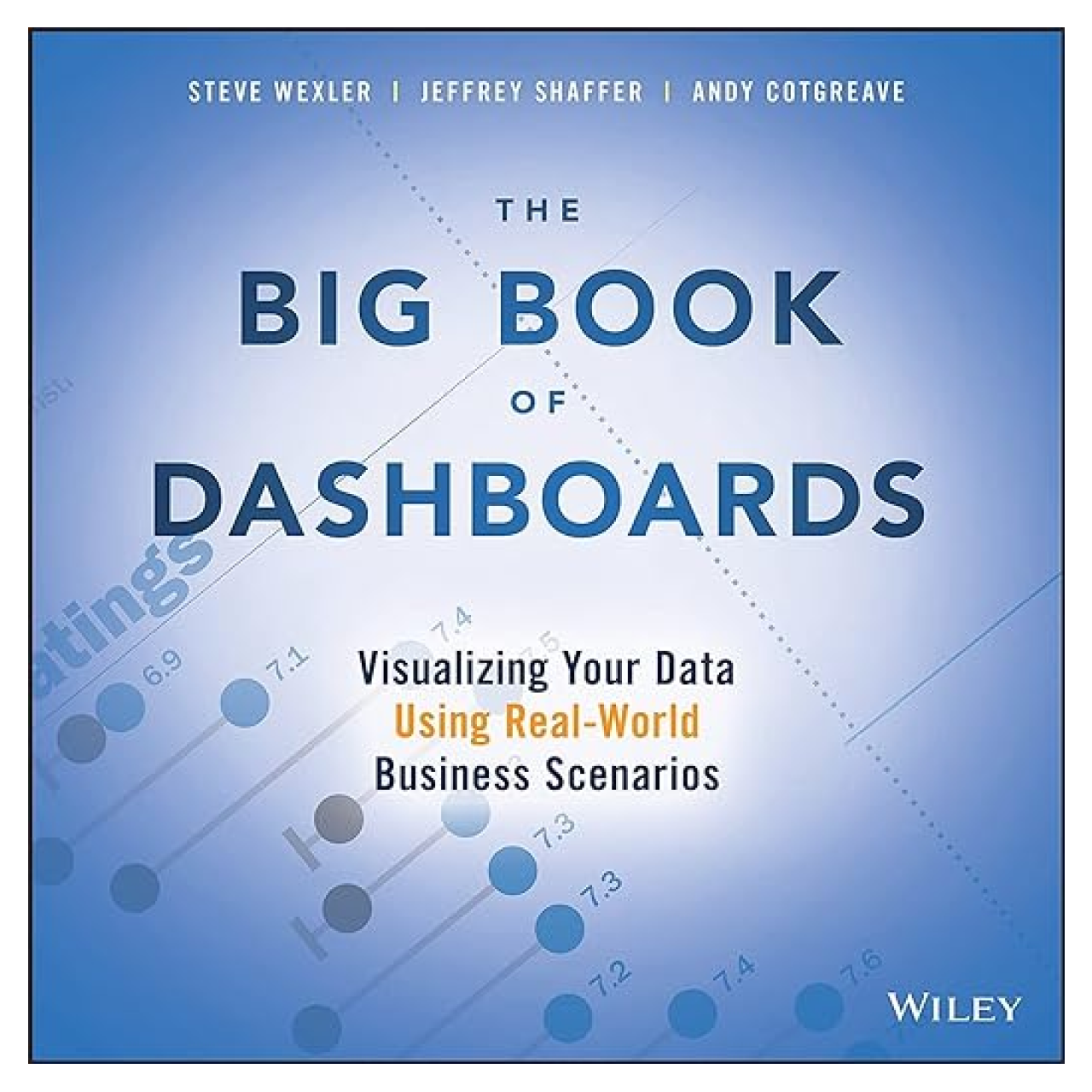
The book "The Big Book of Dashboards: Visualizing Your Data Using Real-World Business Scenarios"
by Steve Wexler, Jeffrey Shaffer, and Andy Cotgreave.
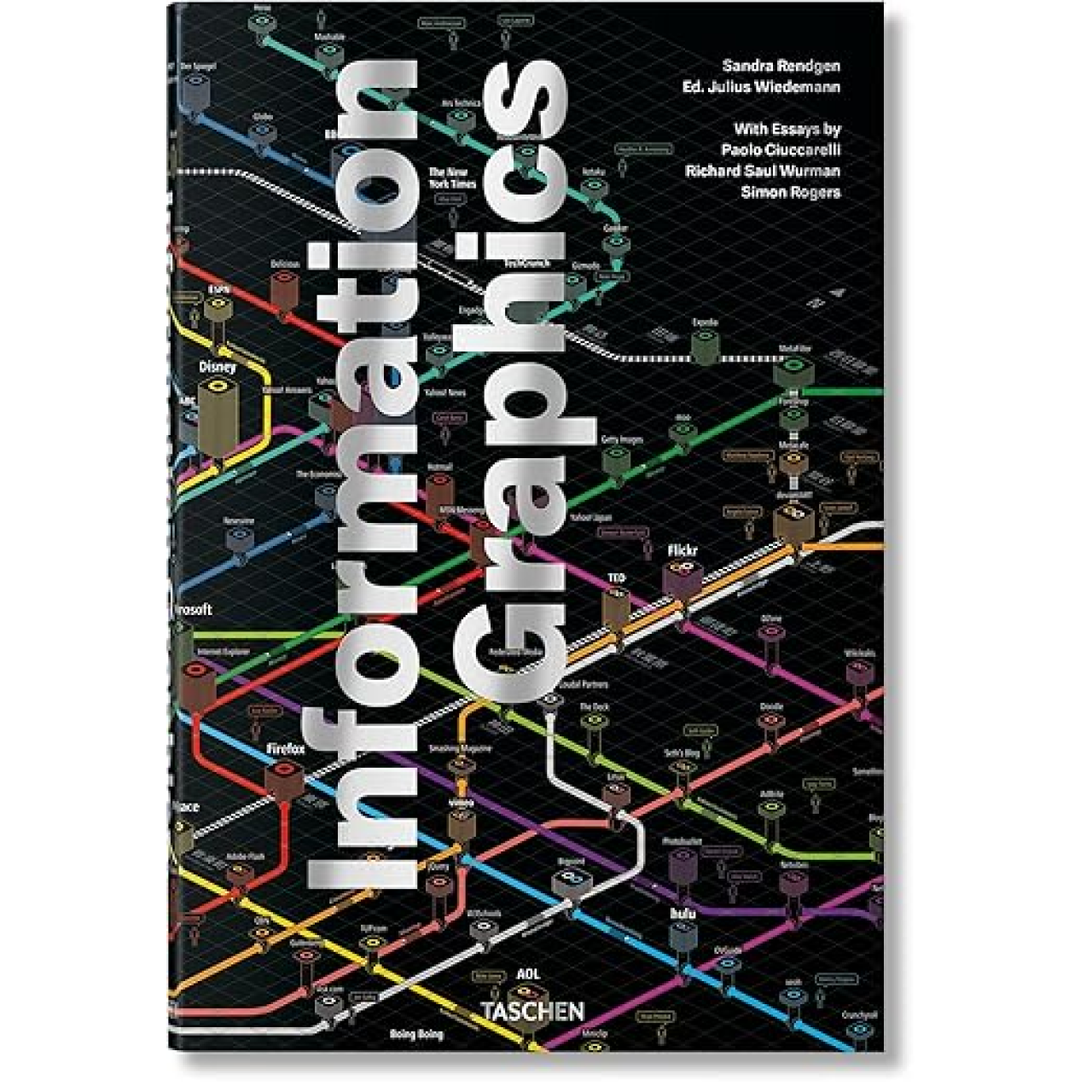
The book "Information Graphics"
by Sandra Rendgen and Julius Wiedemann.
Conclusion:
I created wireframes and initial designs to make the proposed structure tangible and gather feedback from both business teams and the development team. I then refined the final design. The documented design phase took three days; this case does not include measured operational outcomes.
Prototype: